MemoHoney Official Website › Articles › Review records
Review recordsWhy a Review Roster Is Not Eight Independent Testimonials
The MemoHoney review pack lists eight roster entries but supplies two summary lines. Read the lines as distributor-presented themes, not as eight separate personal testimonials.
A roster is not eight independent testimonials
The review material in this MemoHoney pack lists eight names with details such as age, city, pack, day and star rating. It also contains only two bodies of review text. That distinction is important: eight rows do not automatically mean eight independently written stories. The supplied lines are the distributor's summary lines, so this site treats them as summary copy rather than expanding them into first-person accounts.
The two reported themes are simple. One says that a daily habit stuck and the buyer reordered before the last bottle. The other says the experience was fair at a month while wanting more in the first week. Those are useful as described themes in the supplied review material. They are not measured outcomes, clinical findings or statements that can be attributed to a particular person merely because a roster appears nearby.
The honest way to read this presentation is narrower than either accepting every line as a promise or dismissing every line as worthless. It shows how the distributor has grouped its own feedback. It does not show an audited transcript, an ingredient dose, a control group or an answer about whether the formula will suit a different buyer.
| Record | What it can show | What it cannot establish alone |
|---|---|---|
| Roster details | How the seller presents review entries | Eight independent written accounts |
| Two summary lines | Distributor-presented feedback themes | A personal or clinical prediction |
| Star score | A seller-presented average | Ingredient amount, safety or effectiveness |
| Product label | Printed names and claims | A trial of the mixed formula |
The source material supports two reported themes across a roster. It does not support inventing individual stories for the eight listed names.
Quotation marks need an underlying sentence
An individual quote is a claim that a named or identifiable person said those exact words. A summary line is a different kind of statement: it can describe a recurring theme without telling a reader which person wrote it. Mixing the two gives a review block more apparent detail than the underlying material supports.
For that reason, the eight roster entries are not rewritten here as eight testimonials. The two phrases are presented as the source presents them, with their limits. This is a small editorial choice with a large effect: it prevents a product page from making a reader believe it has heard eight personal accounts when it has actually seen two distributor summaries placed beside eight names.
This does not make the summaries useless. It simply gives them the correct weight. A buyer can notice that routine and early-expectation themes appear in the pack. A buyer cannot turn those themes into a promise that the product will produce a particular cognitive, health or personal result.
A score summarizes feedback; it does not fill label gaps
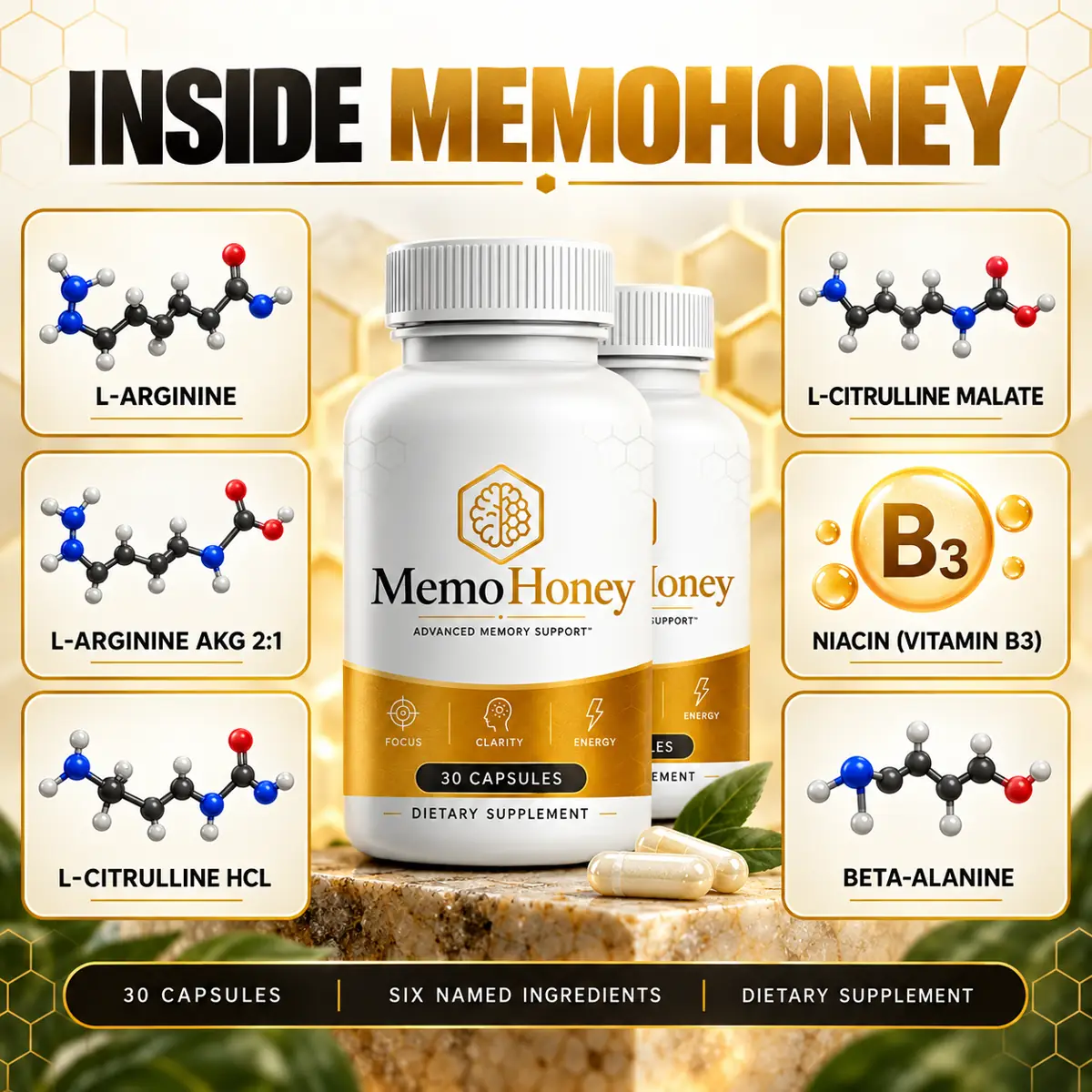
The supplied review material includes a seller-presented score and count. A score may be useful as a description of the feedback presentation, but it cannot supply the ingredient amounts absent from this label. It cannot show what quantity of L-Arginine, L-Citrulline, Niacin or Beta-Alanine a capsule contains, and it cannot make research on individual ingredients into research on the six-name mixture.
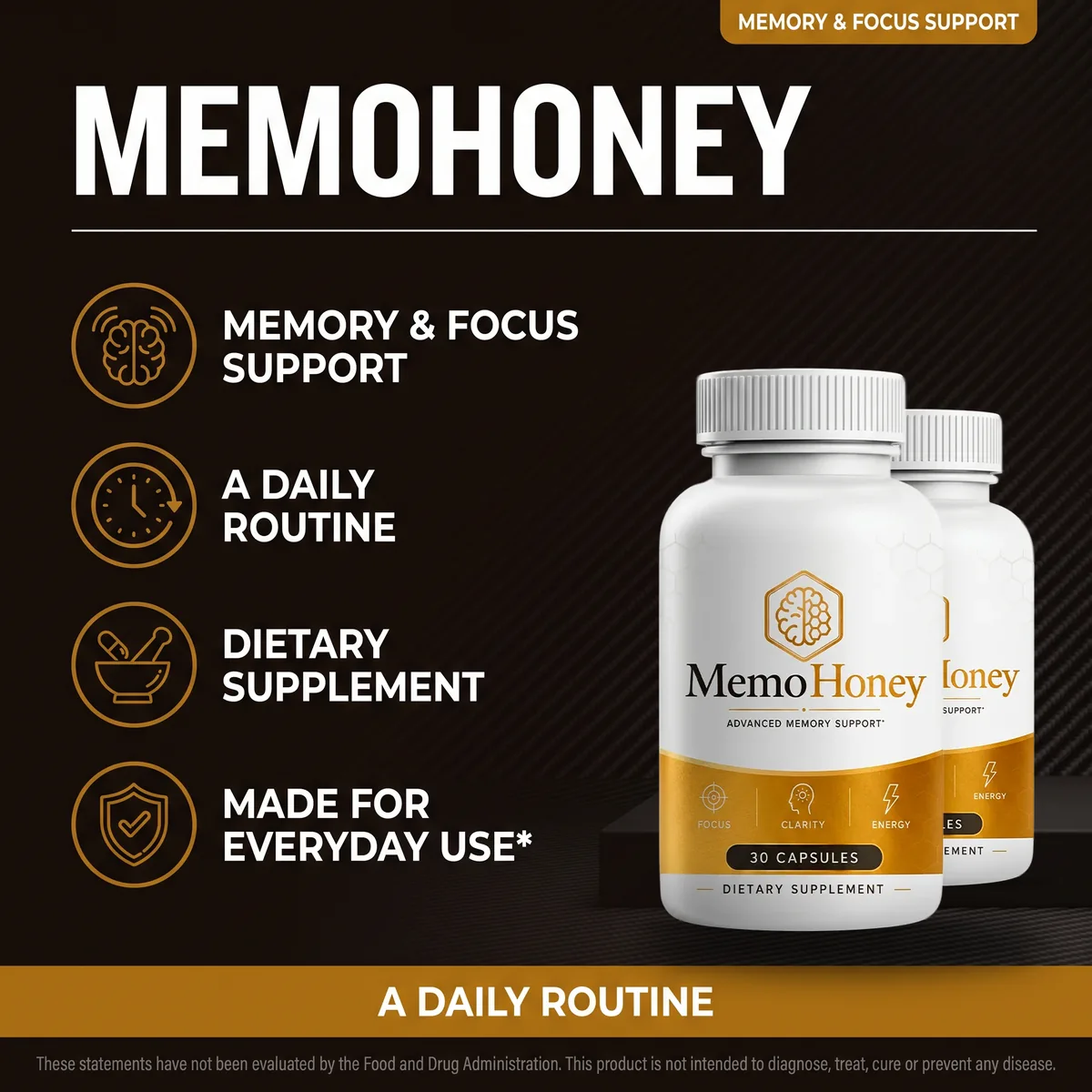
The label's own limit is clear: Advanced Memory Support, Focus, Clarity and Energy, 30 capsules, and six named ingredients. No supplied Supplement Facts panel provides milligrams. A favorable average should not make those missing figures seem present. The ingredients page separates the names on the pack from the amounts and populations in the published studies.
The same applies to personal safety. A review score cannot account for a reader's medicines, blood pressure, history of reactions or reason for considering a supplement. A pharmacist or prescriber considers those individual facts; a review summary does not.
A comment about week one is not a clinical timeline
The supplied theme about wanting more in week one is a useful example of why a review block needs context. It describes an expectation or reaction in seller-presented feedback. It does not establish that everyone should continue taking the product for a certain number of weeks, and it should never be used to delay attention to a symptom or change in memory.
The commercial calendar is separate. Each bottle holds 30 capsules, the stated guarantee is 60 days from purchase, and the seller asks for 30 days of use before considering a claim. These are service and product terms. They are not a promise that a buyer will feel a change at a particular time, and they are not a substitute for appropriate medical advice.
Keeping the review and purchase calendars separate is more practical. A buyer with a service question can save the order ID, purchase date and current return instruction. A buyer with a reaction or concern can seek care. Neither question is answered by a star rating or a summary comment.
Use review themes to ask service questions
The most defensible use of consumer feedback is often operational. A comment about a routine, delivery, pack size or a return process can prompt a buyer to read the corresponding product or terms page more closely. It can help someone remember to retain their confirmation email, note the purchase date or ask for current instructions before mailing a parcel.
It cannot decide whether a refund is due, whether a parcel will be accepted, or whether a product is medically appropriate. Those require records suited to the question: an order-specific service instruction for a return, carrier tracking for a shipment, and a pharmacist or clinician for health and medicine questions.
The reviews page identifies the review material as seller-presented information. The guarantee page describes the stated return terms. Reading each for its stated purpose is more useful than asking one score to settle both service and health questions.
Read a review summary beside the decision record
A sensible sequence is short. Read the label and directions. Read the selected pack's price, duration and return terms. Then read the review summary as seller-presented feedback, with its source and limits in view. Finally, decide whether the information actually answers the question that matters before the purchase date starts the stated window.
That approach preserves the limited value of reviews without turning them into a substitute for evidence. A positive summary can be one commercial factor. It is not a clinical result, a guaranteed experience or a reason to overlook a missing amount panel. A negative concern can likewise be a prompt for a precise question rather than a conclusion that no other record can answer.
If the answer that would decide the purchase remains missing, not buying is a normal outcome. The buyer does not need a stronger conclusion. They need only recognize that a seller-presented summary, however polished, cannot supply the separate document or personal advice they require.
Read the MemoHoney record before an order
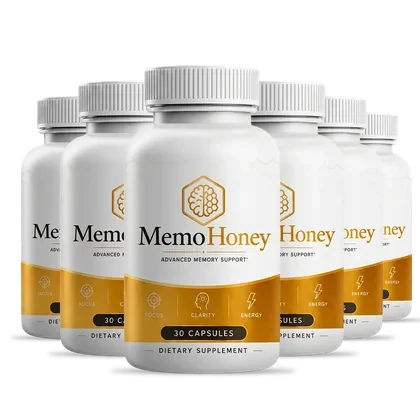
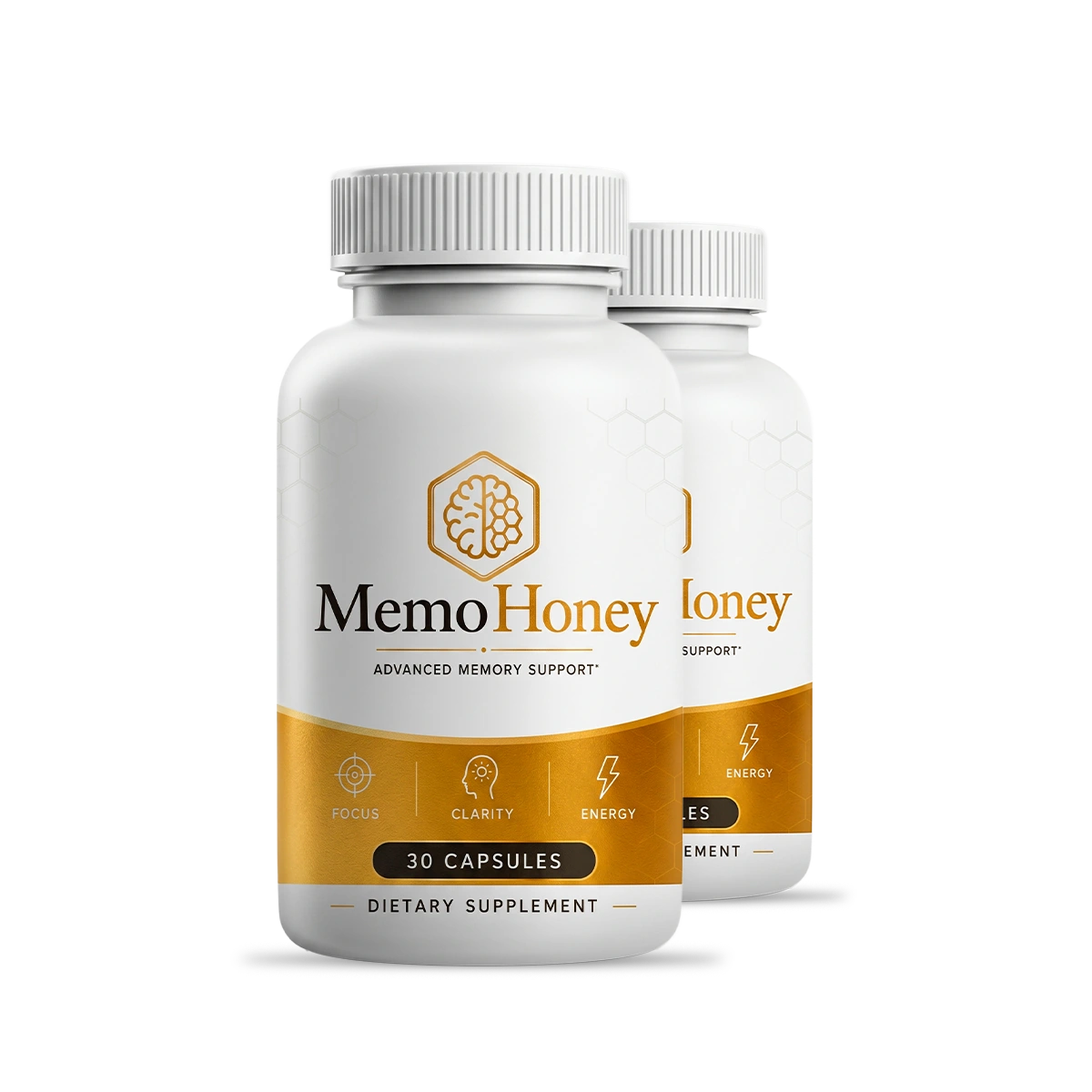
Six named ingredients, 30 capsules per bottle, stated pack terms, and the questions the supplied record does not settle.
Two bottles $158 · six bottles $294 · 60-day money-back guarantee
Order MemoHoney From This CounterLot MEM-26/MA-5403 · one each morning, 30 to a bottle · ships from the United States
What this record can support
A roster, a review summary, a product image, a label, an order receipt and a research paper are different kinds of records. A roster can show how seller-presented feedback is organized. A label can state what it prints. An order receipt can identify a transaction. A study can report the dose, people and outcome it actually examined. The useful discipline is to keep every record in its own evidence lane.
This leaves room for a clear decision not to buy. If the missing fact that matters is an ingredient amount, a dietary statement, a test report, a current return instruction or an answer about medicines, a buyer can leave the product unpurchased rather than turning presentation into proof. That is not a claim that the item is good or bad; it is a recognition that the supplied record has not settled the question.
After purchase, the same separation helps. Keep label and order information for a service question. Take reactions, medicine interactions, sudden confusion or a change in memory to a pharmacist or clinician. A retail website can explain its product and service terms, but it cannot assess an individual or replace appropriate care.
The practical method is modest: read the literal wording, save the source carrying it, ask the next precise question, and do not let a score, bonus or attractive image silently answer a question it cannot answer. That protects a buyer from both overconfidence and from a vague feeling that information was supplied when it was not.
- Use seller-presented review themes as prompts for questions, not as a personal forecast.
- Keep stated bonus values separate from the price and evidence for the product itself.
- Read the label and service terms before a purchase-date guarantee window begins.
- Use an order ID, current instructions and tracking for a service issue.
- Take health and medicine questions to a pharmacist or clinician.
MemoHoney is a dietary supplement and not a treatment for anything. Nothing here is medical advice. Memory that has changed in a way you or the people around you have noticed is worth an appointment rather than a purchase, and MedlinePlus sets out what is worth reporting.
- Questions and Answers on Dietary Supplements. U.S. Food and Drug Administration. https://www.fda.gov/food/information-consumers-using-dietary-supplements/questions-and-answers-dietary-supplements
- Using Dietary Supplements Wisely. National Center for Complementary and Integrative Health, National Institutes of Health. https://www.nccih.nih.gov/health/using-dietary-supplements-wisely
- Memory. MedlinePlus, U.S. National Library of Medicine. https://medlineplus.gov/memory.html
- Dolan E, Swinton PA, Painelli VS, et al. A Systematic Risk Assessment and Meta-Analysis on the Use of Oral β-Alanine Supplementation. Adv Nutr. 2019;10(3):452-463. PMID 30980076. https://pubmed.ncbi.nlm.nih.gov/30980076/
- Khalaf D, Krüger M, Wehland M, et al. The Effects of Oral l-Arginine and l-Citrulline Supplementation on Blood Pressure. Nutrients. 2019;11(7):1679. PMID 31336573. https://pubmed.ncbi.nlm.nih.gov/31336573/