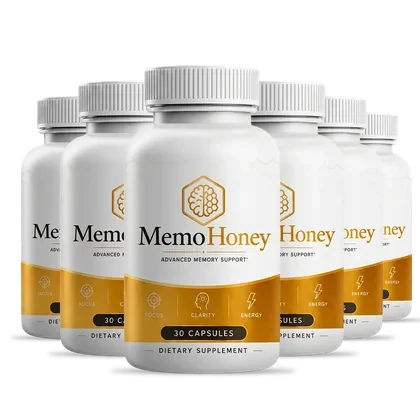
MemoHoney Official Website › Guides
GuidesGuides and articles from this desk
Two long guides and a blog, written for somebody deciding whether a memory supplement is worth buying at all. The category explainer covers what the evidence supports and what it does not. The buying checklist gives eight questions to ask of any label, then applies all eight to the product this desk sells and prints the score.
Editorial pages rather than product pages. They are written to be useful to somebody who ends up buying nothing.
The two guides
Three routes in, depending on how much time you have.
A memory supplement guide
What the shelf contains, which ingredients have real human trials behind them, what a null result looks like, and the three things with randomised evidence for cognitive outcomes that nobody sells in a bottle. Read the guide.
Choosing a memory supplement
Eight questions to ask of any label before paying for it, from the Supplement Facts panel to the refund route. Then the same eight applied to MemoHoney, with the score it earns. Read the checklist.
The blog
Five shorter articles on one question each: how long this category takes to do anything, what the citrulline trials actually used, what a label with no numbers means, the one amount on this label that can be checked, and what helps memory in the published record. Read the blog.
How these pages are written
Why these three pages exist beside a product catalogue.
Each guide is written from published sources rather than from the product. Where a claim is made, the record it comes from is linked inline so a reader can check it in about twenty seconds. Where a trial found nothing, it is cited alongside the trials that found something.
Both guides name things this desk does not sell and cannot profit from. That is deliberate: a buying guide that concludes in favour of the seller every time is an advertisement with a table of contents, and a reader can tell the difference.
The full citation list for the site, with every record linked, sits at the foot of the home page, and the about page sets out the method including the two papers deliberately excluded.