MemoHoney Official Website › Articles › Offers and bundle terms
Offers and bundle termsWhy Five Digital Bonuses Should Not Decide a Supplement Purchase
MemoHoney's digital guides are seller-described extras on larger packs. They are not capsule ingredients, label amounts, clinical evidence or personal medical advice.
A digital bundle is not part of the capsule formula
The three- and six-bottle MemoHoney offers include five digital guides: The Super Gut Code, 101 Herbal Cures, Sleep Live Better, a 10-Day Active Mind Challenge and a Personalized Usage Guide. These are seller-described digital materials attached to a larger pack. They are not ingredients in the capsule, and they do not change the fact that the supplied bottle artwork names six ingredients without printing an amount for any of them.
Keeping the bundle separate from the formula is useful because a long list of extras can make an offer feel broader than the product itself. A guide may be relevant, irrelevant or useful on its own terms. It cannot establish the quality, amount or clinical effect of the capsule that is being sold alongside it.
The right first question is therefore practical: would this buyer value the specific material even if no supplement were included? If the answer is no, its stated value should not be allowed to decide whether the bottle, pack duration and return terms make sense.
| Offer element | What it is | What it does not establish |
|---|---|---|
| Digital guide | A seller-described download | Ingredient amount or product effect |
| Stated value | The seller's marketing figure | A saving a buyer has already realized |
| Three- or six-bottle pack | A longer product commitment with extras | Additional days inside the 60-day window |
| Sleep-themed bonus | A topic or habit resource | Personal sleep or medical care |
The core purchase terms are the product count, price, timing and return conditions. A bonus can be considered afterward on its own value to the buyer.
A stated value is a marketing figure, not a saving already realized
The seller attaches stated dollar values to the five digital items. Those figures describe the seller's presentation of the bundle. They are not proof that a buyer previously paid those amounts, that a separate market would charge the same figures, or that the total should be subtracted from the price of a bottle when comparing supplement offers.
This matters because arithmetic can create a false sense of certainty. A pack total is money the buyer pays. A stated bonus value is an amount the seller assigns to a digital file. The two are not the same kind of number. One is a purchase commitment; the other is promotional context that a buyer can accept, ignore or value independently.
The comparison becomes clearer when the pack is read without the bundle first. Two bottles cover 60 days at the stated routine. Three cover 90 days and six cover 180. The pack count, per-bottle price and stated return calendar are concrete commercial terms. The bonus list does not change any of them.
The sleep guide cannot substitute for sleep
One listed digital item is Sleep Live Better. Sleep is an important topic for memory and daily functioning, but the existence of a sleep-themed guide does not mean the guide is a treatment, a personal sleep assessment or evidence that the capsule works. The idea and the offer must remain separate.
This is especially relevant because the old, unglamorous supports for memory do not become less important when they are included as a bonus title. Sleep, medication review, hearing, nutrition and appropriate assessment have their own evidence and care routes. A download may prompt a useful habit; it should not be used to replace those supports or to make a supplement claim seem stronger.
A buyer can read the guide on its own merits. The capsule still needs to be evaluated from the record for the capsule: the label names, the absent amount panel, the seller's terms, and any questions a pharmacist or clinician should answer before use.
More bonuses arrive with a longer commitment
The bundle is offered with the three- and six-bottle packs, not the two-bottle entry pack. That timing matters. The larger packs also extend to 90 or 180 days at the stated one-capsule routine, while the listed guarantee runs 60 days from purchase. A bonus should therefore be read beside the added product duration, not as a free object detached from the larger purchase.
The package may be useful to someone who has already decided that the longer duration fits their circumstances. It may be much less relevant to a buyer making a first purchase. The decision does not require assuming that either choice is correct for everyone. It requires recognizing that an extra digital item arrives with more bottles and more time outside the stated return window.
The pricing page and bonuses page can be read together. One explains the product commitment; the other identifies the seller-described extras. Neither can convert a marketing addition into evidence about an ingredient dose or a personal outcome.
Ask whether an extra answers the question that matters
Before allowing an advertised extra to influence the purchase, name the actual question. Is the buyer looking for a sleep routine, a nutrition resource, a habit prompt or advice about a medicine? The answer may determine whether a digital guide is relevant at all. It may also show that a free public resource, a pharmacist or a clinician is better suited to the need.
The same question protects against unrelated material. An e-book about the gut or herbal remedies may have its own subject matter, but it does not document what is in a memory supplement capsule. A usage guide may restate a direction, but it cannot create amounts that the label does not print. An active-mind challenge may be pleasant, but it does not prove a formula has a cognitive effect.
The buyer can give every item the credit it earns without allowing it to carry the weight of a different record. This is useful whether the bundle is appealing, neutral or undesirable. The decision becomes about the actual product and terms rather than the total number of things named on an offer page.
Compare the product before counting the extras
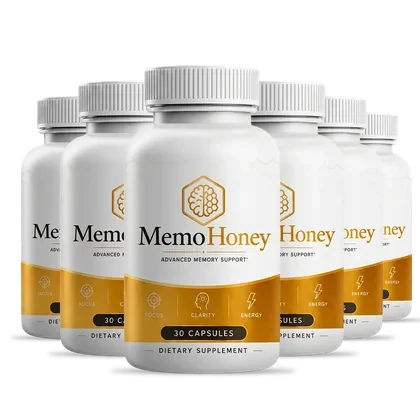
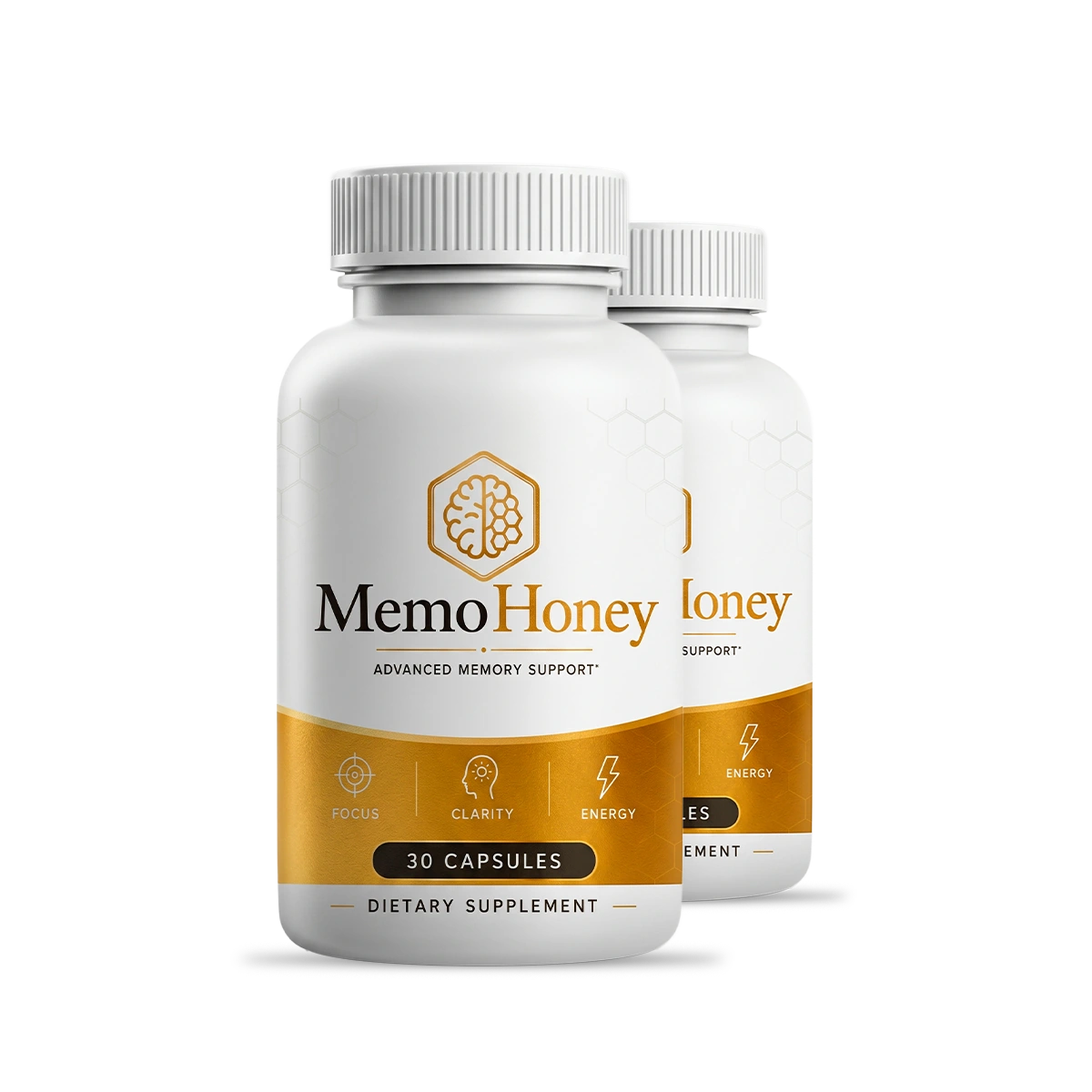
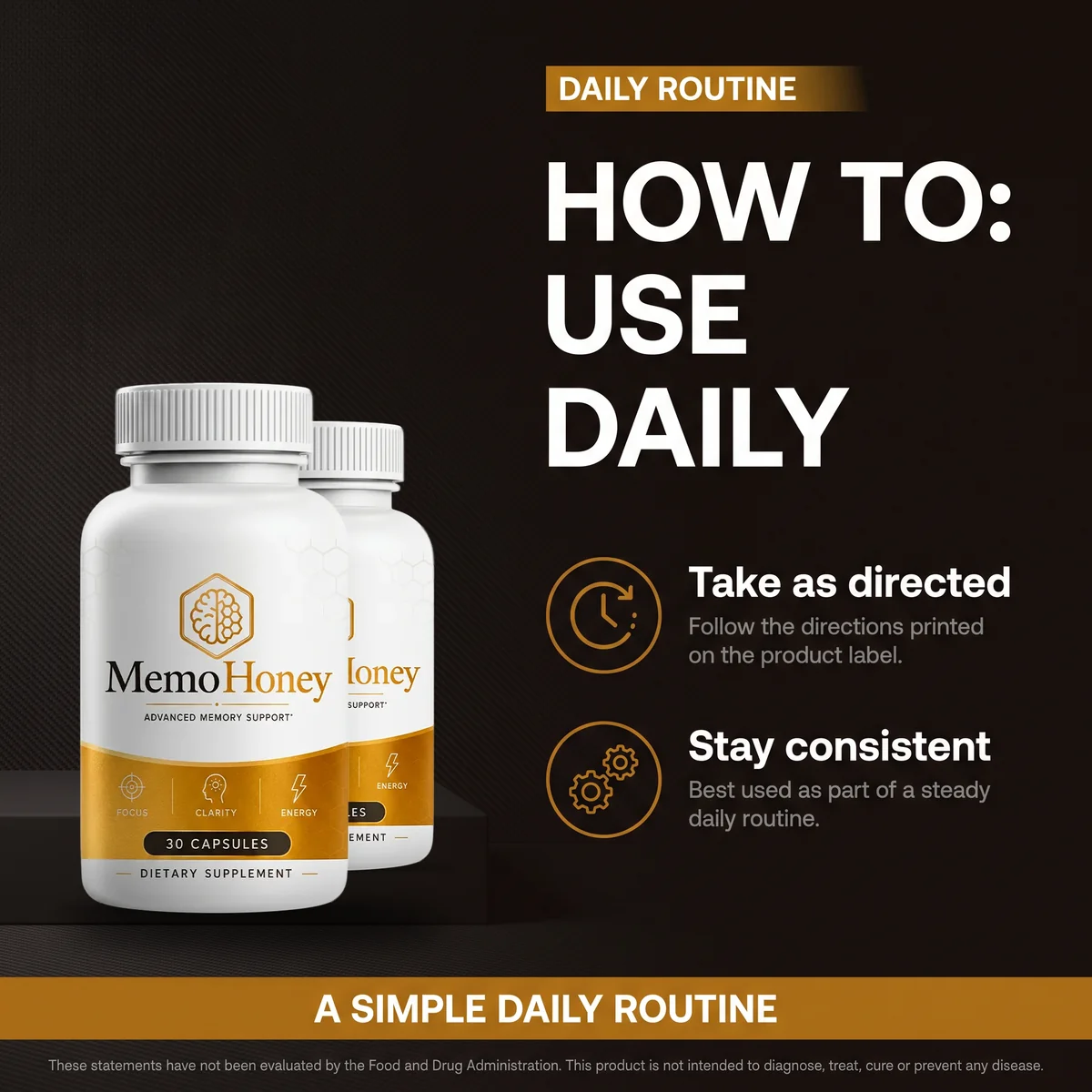
Start with the product. It is a once-daily, 30-capsule MemoHoney bottle whose supplied artwork names six ingredients and prints no amounts. Read the selected pack's total price, days of supply, shipping condition and guarantee timing. Those are the core terms that determine what the buyer receives and how much of the product period sits inside the seller's stated window.
Only after that should the digital bundle be considered. A buyer can decide whether any guide would be useful independently. They can also decide that it has no value to them. Neither answer changes the factual limits of the label or the need to ask a pharmacist or clinician about an individual health or medicine question.
This ordering prevents a common sales effect: letting a longer list of named extras make an incomplete product record feel complete. The bundle may be part of the offer, but it is not evidence for the capsule. A buyer can separate those statements and still make a clear commercial decision.
Read the MemoHoney record before an order
Six named ingredients, 30 capsules per bottle, stated pack terms, and the questions the supplied record does not settle.
Two bottles $158 · six bottles $294 · 60-day money-back guarantee
Order MemoHoney From This CounterLot MEM-26/MA-5403 · one each morning, 30 to a bottle · ships from the United States
What this record can support
A roster, a review summary, a product image, a label, an order receipt and a research paper are different kinds of records. A roster can show how seller-presented feedback is organized. A label can state what it prints. An order receipt can identify a transaction. A study can report the dose, people and outcome it actually examined. The useful discipline is to keep every record in its own evidence lane.
This leaves room for a clear decision not to buy. If the missing fact that matters is an ingredient amount, a dietary statement, a test report, a current return instruction or an answer about medicines, a buyer can leave the product unpurchased rather than turning presentation into proof. That is not a claim that the item is good or bad; it is a recognition that the supplied record has not settled the question.
After purchase, the same separation helps. Keep label and order information for a service question. Take reactions, medicine interactions, sudden confusion or a change in memory to a pharmacist or clinician. A retail website can explain its product and service terms, but it cannot assess an individual or replace appropriate care.
The practical method is modest: read the literal wording, save the source carrying it, ask the next precise question, and do not let a score, bonus or attractive image silently answer a question it cannot answer. That protects a buyer from both overconfidence and from a vague feeling that information was supplied when it was not.
- Use seller-presented review themes as prompts for questions, not as a personal forecast.
- Keep stated bonus values separate from the price and evidence for the product itself.
- Read the label and service terms before a purchase-date guarantee window begins.
- Use an order ID, current instructions and tracking for a service issue.
- Take health and medicine questions to a pharmacist or clinician.
MemoHoney is a dietary supplement and not a treatment for anything. Nothing here is medical advice. Memory that has changed in a way you or the people around you have noticed is worth an appointment rather than a purchase, and MedlinePlus sets out what is worth reporting.
- Questions and Answers on Dietary Supplements. U.S. Food and Drug Administration. https://www.fda.gov/food/information-consumers-using-dietary-supplements/questions-and-answers-dietary-supplements
- Using Dietary Supplements Wisely. National Center for Complementary and Integrative Health, National Institutes of Health. https://www.nccih.nih.gov/health/using-dietary-supplements-wisely
- Memory. MedlinePlus, U.S. National Library of Medicine. https://medlineplus.gov/memory.html
- Dolan E, Swinton PA, Painelli VS, et al. A Systematic Risk Assessment and Meta-Analysis on the Use of Oral β-Alanine Supplementation. Adv Nutr. 2019;10(3):452-463. PMID 30980076. https://pubmed.ncbi.nlm.nih.gov/30980076/
- Khalaf D, Krüger M, Wehland M, et al. The Effects of Oral l-Arginine and l-Citrulline Supplementation on Blood Pressure. Nutrients. 2019;11(7):1679. PMID 31336573. https://pubmed.ncbi.nlm.nih.gov/31336573/